Which car seat for which height and age?
From infant carrier to toddler seat to high-back booster: which seat fits which height, when to move on and what the law says.

Prices are still to come. These are the products that would be on this list now, by popularity; once there are prices, the list updates itself.
Infant car seat: 40–87 cm
-
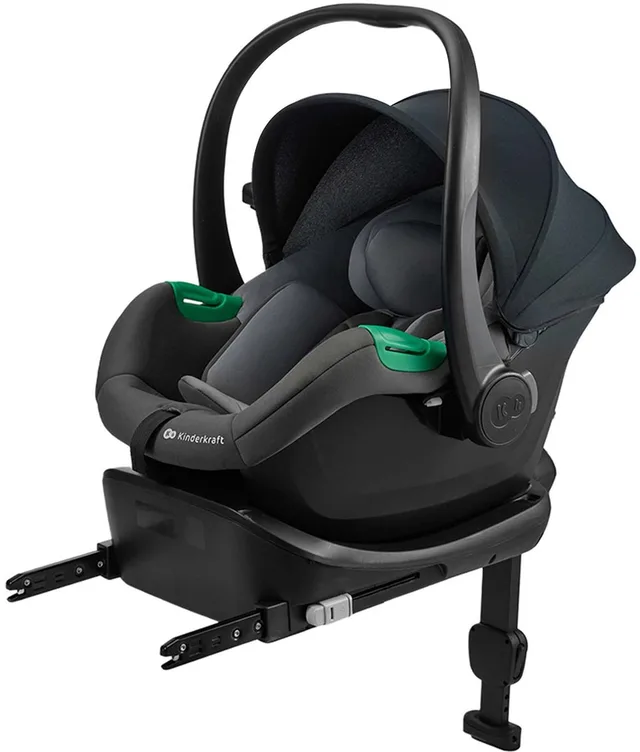
1. Kinderkraft MINK PRO 2 i-Size Autostoel + MINK FX 2 Base
40-87 cm · Groep 0+
-
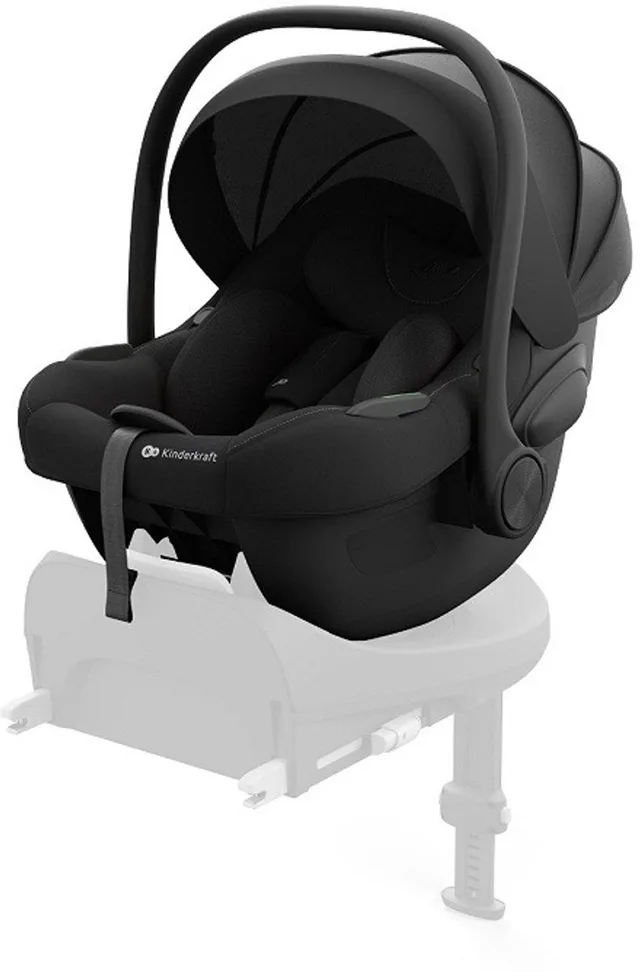
2. Kinderkraft I-LITE
Autostoel · i-Size R129 · 40-87 cm
-
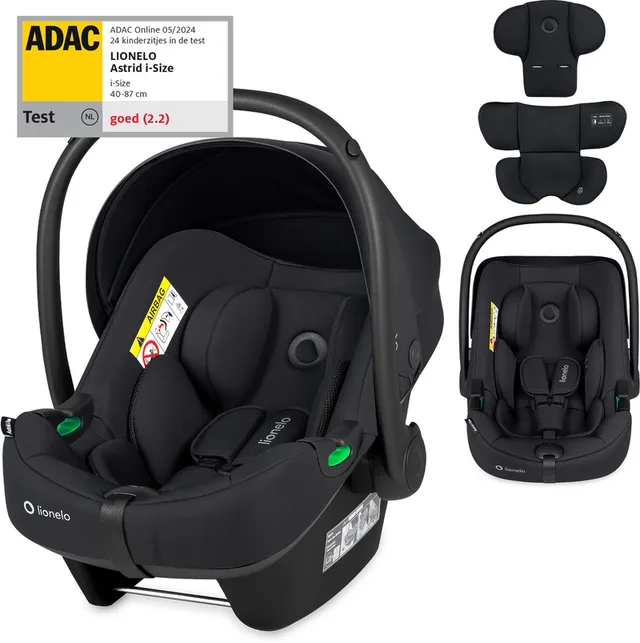
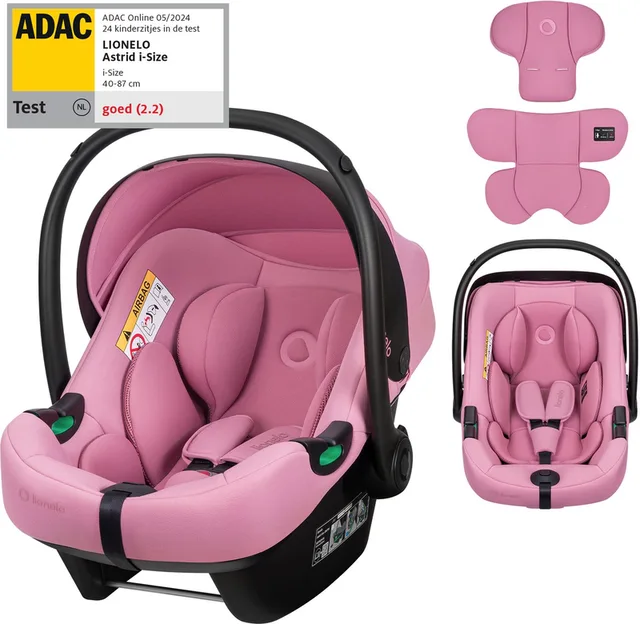
3. Lionelo Astrid i-Size Autostoel
ADAC 5-sterren · 40-87 cm · RWF · Memory Foam · Verstelbare hoofdsteun (7 cm) · Holmbergs gordels · Compatibel met ISOFIX-base & kinderwagen · i-Size norm · Licht & veilig
-
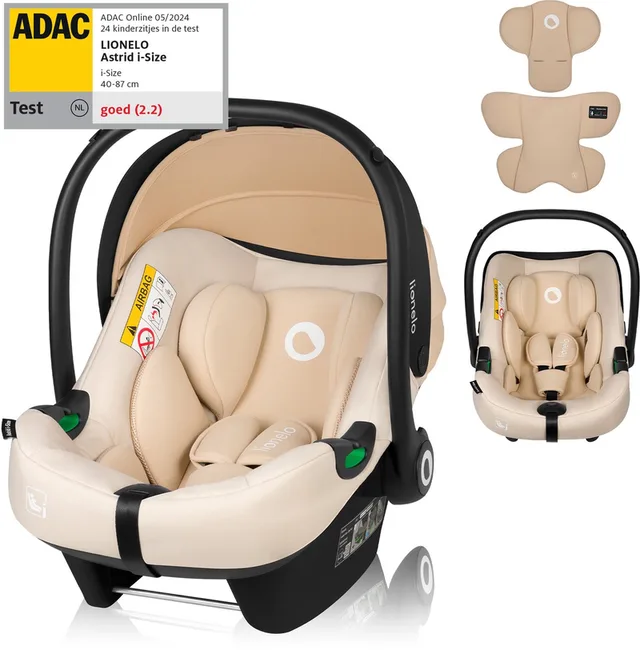
4. Lionelo Astrid i-Size Autostoel
ADAC 5-sterren · 40-87 cm · RWF · Memory Foam · Verstelbare hoofdsteun (7 cm) · Holmbergs gordels · Compatibel met ISOFIX-base & kinderwagen · i-Size norm · Licht & veilig
-
5. Lionelo Astrid i-Size Autostoel
ADAC 5-sterren · 40-87 cm · RWF · Memory Foam · Verstelbare hoofdsteun (7 cm) · Holmbergs gordels · Compatibel met ISOFIX-base & kinderwagen · i-Size norm · Licht & veilig
Toddler seat: 76–105 cm
-
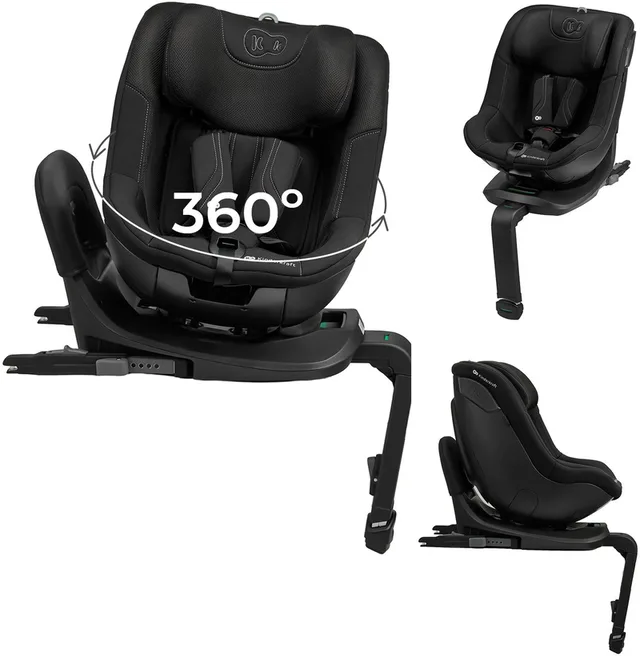
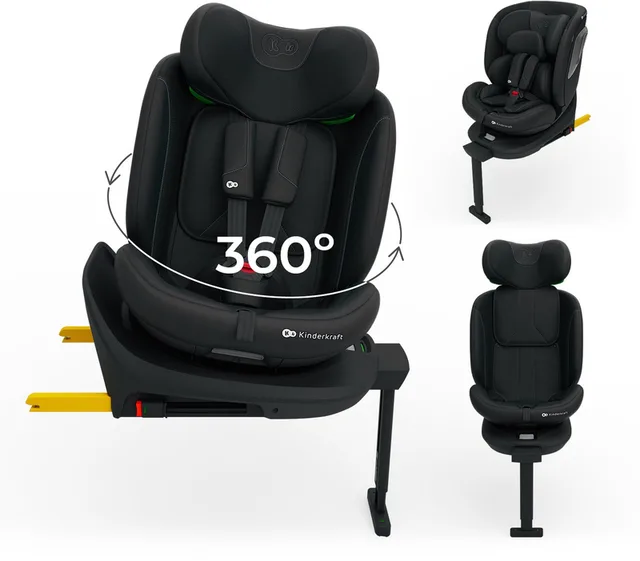
6. Kinderkraft I-GUARD PRO Autostoel
61-105 cm · i-Size · Met Isofix · 360° Draaibaar
-
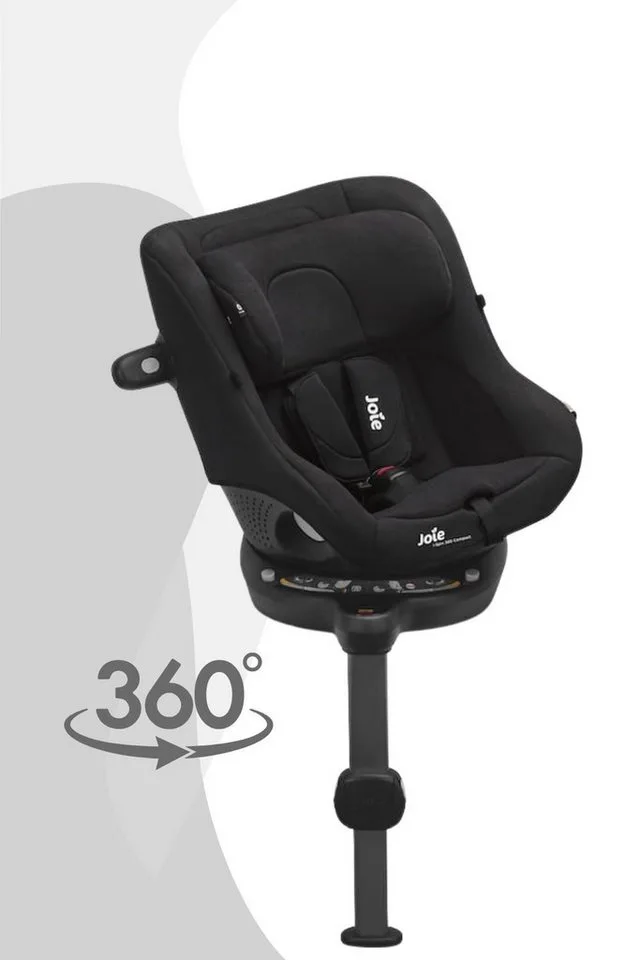
7. Joie Autokindersitz i-Spin 360 Compact
Reboardkindersitz (61–105 cm), Integrierte ISOFIX-Basis mit Stützfuß, 5-fach verstellbare Ruhelage
-
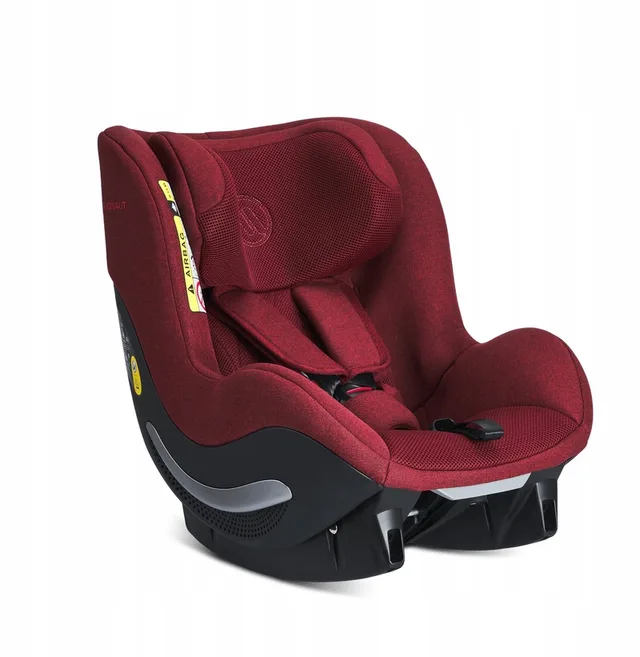
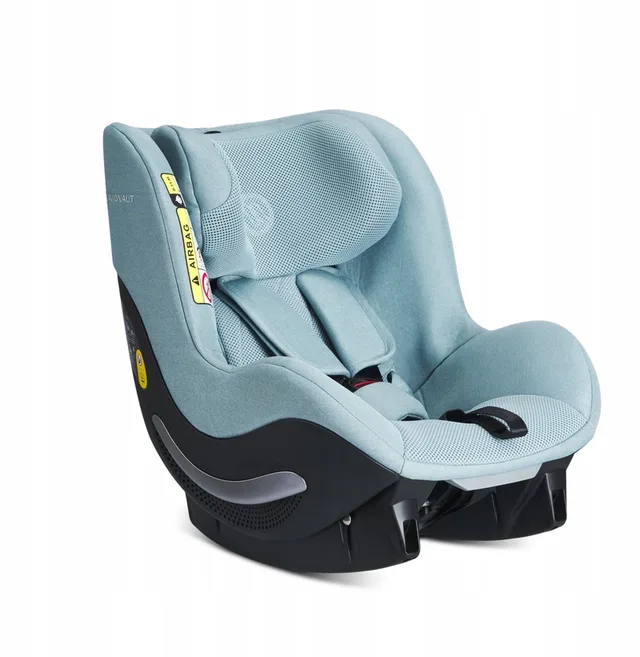
8. Avionaut AeroFIX AirFlow autostoeltje 0-18 kg
61-105cm · ISOFIX
-
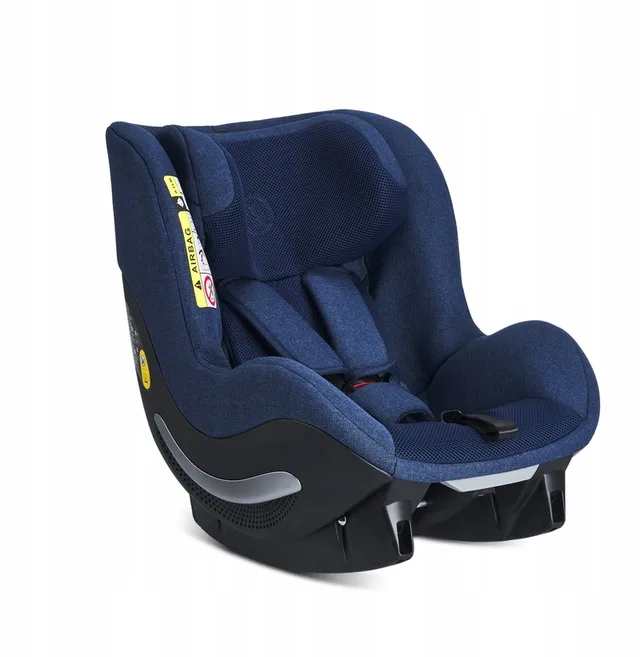
9. Avionaut AeroFIX AirFlow Autostoeltje 0-18kg
61-105cm · ISOFIX
-
10. Avionaut AeroFIX AirFlow Autostoeltje 0-18kg
ISOFIX-lengte van 61-105 cm
Child seat: 100–150 cm
-
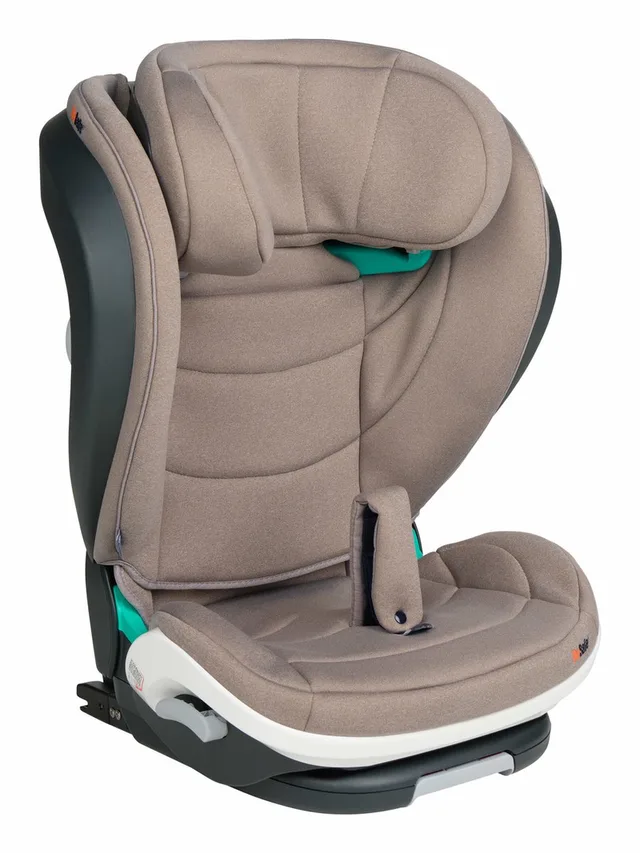
11. BeSafe iZi Flex Fix 2 i-Size
Stoelverhoger · Stoelverhoger auto · Kinderzitje auto · Zitverhoger · 100-150cm · Dark Sand SoftBreeze
-
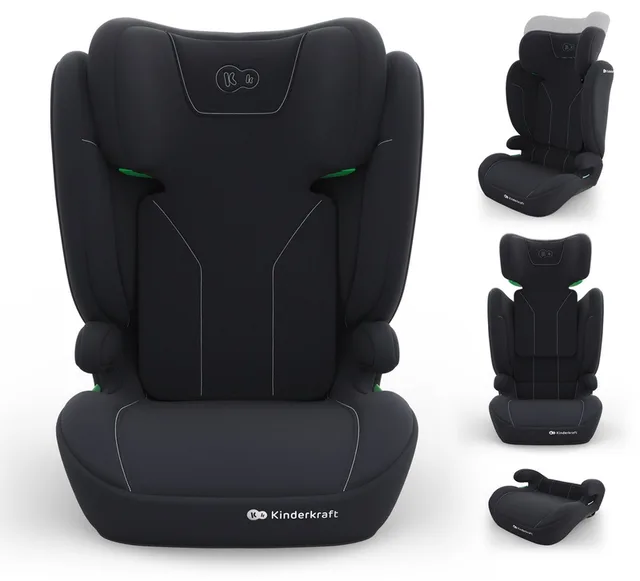
12. Kinderkraft I-SPARK 2 PLUS i-Size Autostoel
100-150 cm 2-in-1 met boosterfunctie 10-standen hoofdsteun
-
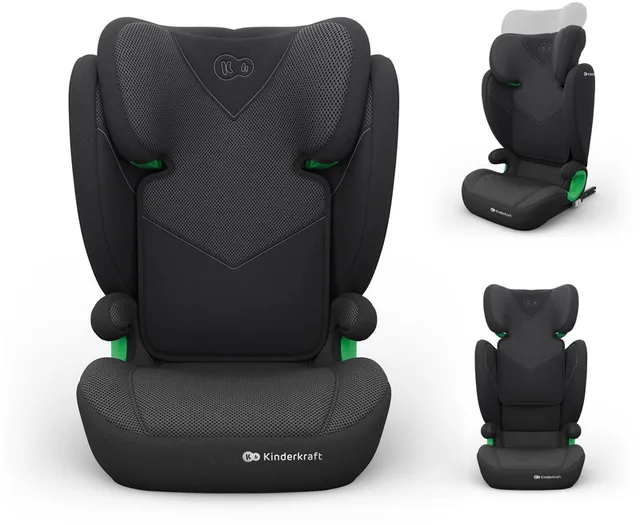
13. Kinderkraft JUNIOR FIX 2 PLUS
Autostoel · 100-150 cm · Verstelbaar · ISOFIX
-
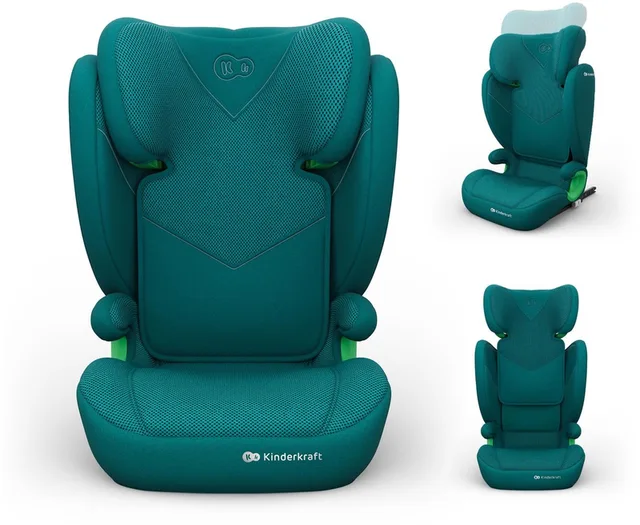
14. Kinderkraft JUNIOR FIX 2 PLUS
Autostoel · Meegroeiend · 100-150 cm
-
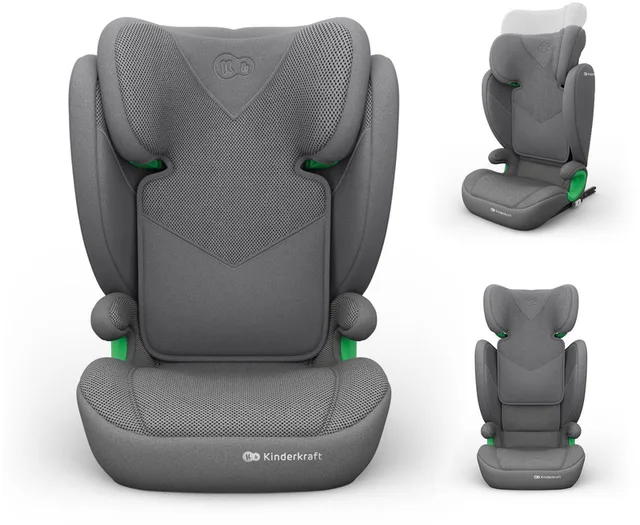
15. Kinderkraft JUNIOR FIX 2 PLUS
Autostoel 100-150 cm · Verstelbare hoofdsteun · ISOFIX
Extended seat: one seat for several classes
-
16. Lionelo Bastiaan Plus i-Size 4in1 Autostoel ISOFIX 360° Draaibaar
Van Geboorte tot 12 Jaar (40-150 cm) · RWF & FWF · Elektronische Top Tether-Controle · Dri-Seat · 12-Standen Hoofdsteun · 5 Ligstanden · Brede Comfortzitting · i-Size
-
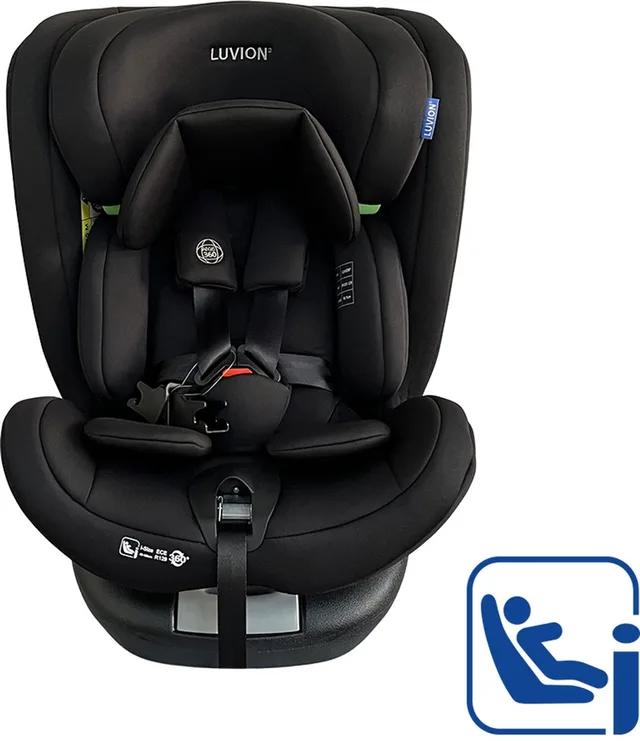
17. Luvion Aegis 360° Autostoel Eclipse Black
i-Size ISOFIX · 40–150cm Autozitje Groep 0 1 2 3
-
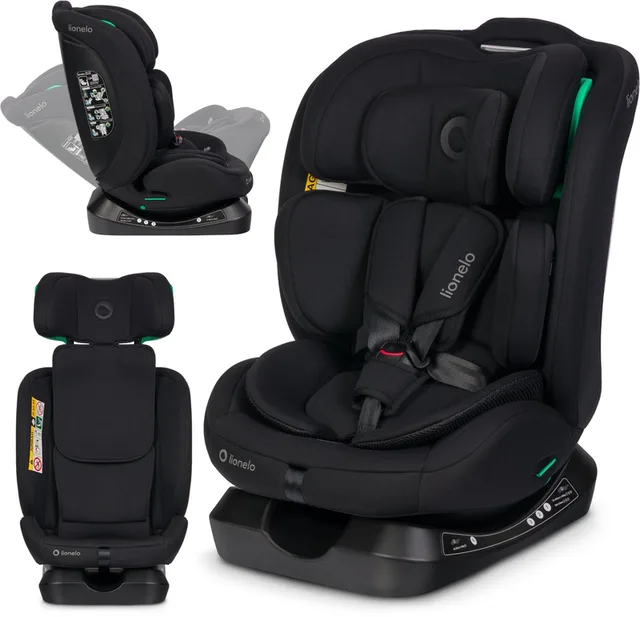
18. Lionelo Aart i-Size Autostoel 4in1
40-150 cm (0-12 jaar) · Universeel, Geschikt voor Elke Auto · RWF & FWF · Achterwaarts tot 105 cm · Installatie met Autogordel · Memory Foam Hoofdsteun · 13 Standen · Kantelbaar · R129
-
19. Kinderkraft I-GROW 2 PLUS Autostoel
40-150 cm i-Size · Met Isofix · Groep 0/1/2/3 · Tot 12 Jaar
-
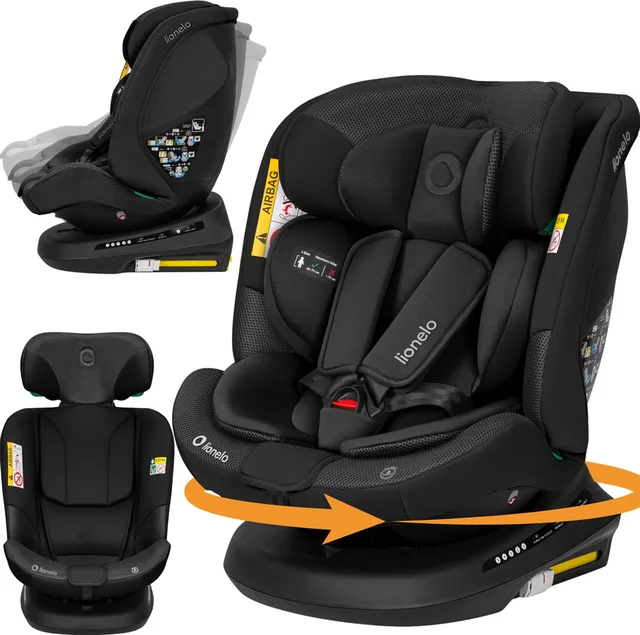
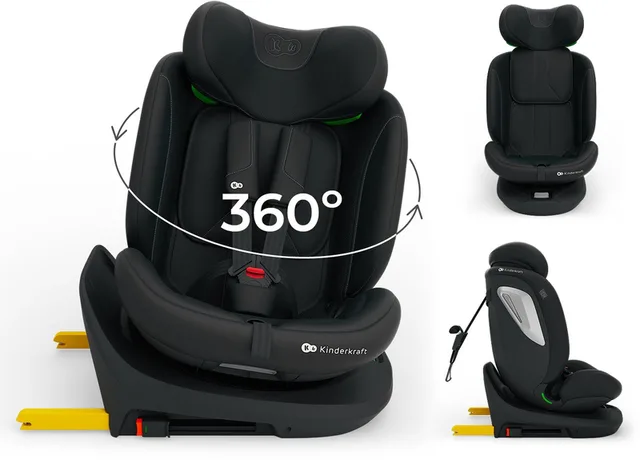
20. Kinderkraft I-360 2 PLUS Autostoel
40-150 cm i-Size · Met Isofix · Groep 0/1/2/3 · Tot 12 Jaar
40–87 cm: the infant carrier
The first car seat is usually an infant carrier: a portable shell that faces backwards in the car. Most are approved from 40 or 45 cm up to about 75 to 87 cm. Manufacturers describe that roughly as birth to about 12 to 15 months.
Many infant carriers click onto an Isofix base that stays in the car and, with adapters, onto a pram chassis. Handy for short trips, but follow the manual on how long your baby may lie in it at a stretch.
76–105 cm: the toddler seat
Next comes a seat for about 76 to 105 cm, roughly from 15 months to 4 years. Many of these seats can face backwards or forwards; some are rear-facing only.
Under the i-Size regulation (UN R129), your child travels rear-facing until at least 15 months. An i-Size seat may face forwards only from 76 cm and 15 months; many seats stay rear-facing up to 105 cm.
100–150 cm: the high-back booster
From about 100 cm, around 3.5 to 4 years, your child moves to a high-back booster. The child is then held by the car’s own three-point belt; the booster makes the belt run properly over the shoulder and hips.
Under the new rules, a booster cushion without a back is only approved for children from 125 cm. Many high-back boosters last up to 150 cm.
Seats that grow along
Some seats cover several classes, such as 40–105 cm, 61–105 cm or 76–150 cm. That saves a purchase, but such a seat is bigger and heavier and usually can’t be carried. On LeBaby, a multi-class seat appears in every class it covers.
When do you move on?
The height and weight on the label and in the manual decide. For infant carriers, manufacturers often mention the head too: once it sticks out above the rim of the shell, it’s time for the next seat. Check what your own manual says.
Feet touching the car seat’s backrest or bent legs are, according to many manufacturers, no reason to move on early or to turn forwards.
What does the law say?
In Germany, children under 12 who are shorter than 150 cm must travel in a suitable, approved child seat (StVO §21). A rear-facing seat may not go on the front passenger seat if the airbag there is active: it must be switched off.
Common questions
Until what age should my child face backwards?
Under the i-Size regulation (UN R129), until at least 15 months. An i-Size seat may face forwards only from 76 cm and 15 months. Many seats can stay rear-facing longer; the manual says up to which height and weight.
How long does my baby fit in the infant carrier?
Up to the maximum height or weight the manufacturer states, often between 75 and 87 cm. If the manual says the head must not stick out above the shell, that applies too.
From what height may a child travel without a car seat?
In Germany, from 150 cm or from the age of 12, whichever comes first. Before that, your child must travel in a suitable, approved child seat that fits their height or weight.
Which car seat suits which age?
Your child’s height decides, not their age. Roughly, an infant carrier (40–87 cm) fits from birth to about 12 to 15 months, a toddler seat (76–105 cm) from about 15 months to 4 years, and a high-back booster (100–150 cm) from about 3.5 to 4 years. A 4-year-old is often on the line between a toddler seat and a booster: measure your child and compare with the height on the label.
Keep looking
LeBaby doesn’t test products. This guide sets out what the standards and manufacturers say. Always follow the manual of your own product.
More guides
- How to choose a pram Travel system, 3-in-1 or straight to a pushchair? What to look for in the type, the lying position, the fold and your own daily routes. Read the guide
- i-Size explained What the car-seat standard i-Size (UN R129) means, how the height classes work and why your baby rides rear-facing for longer. Read the guide
- Crib, bedside crib or cot? The difference between a crib, a bedside crib and a cot, which sizes are common and when your baby outgrows them according to the manufacturer. Read the guide