Choosing a dummy: size, shape and material
Choose a dummy by the size for your child's age, the teat shape and the material. Dummies fall under the EN 1400 standard.
Popular picks from this guide
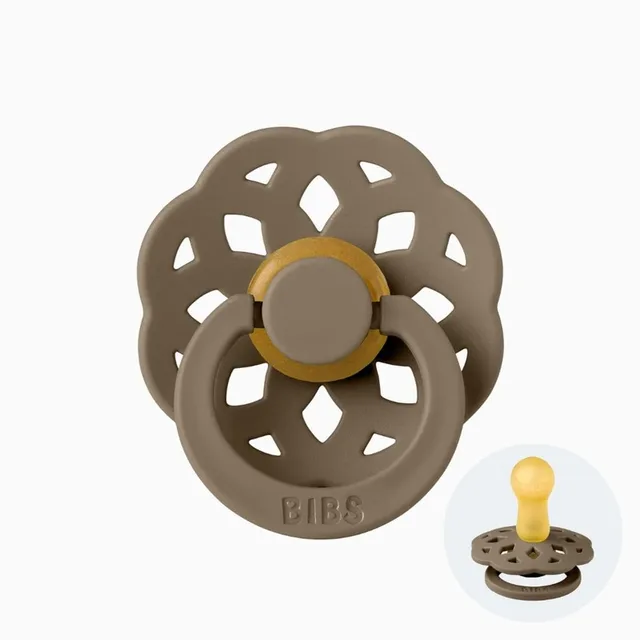
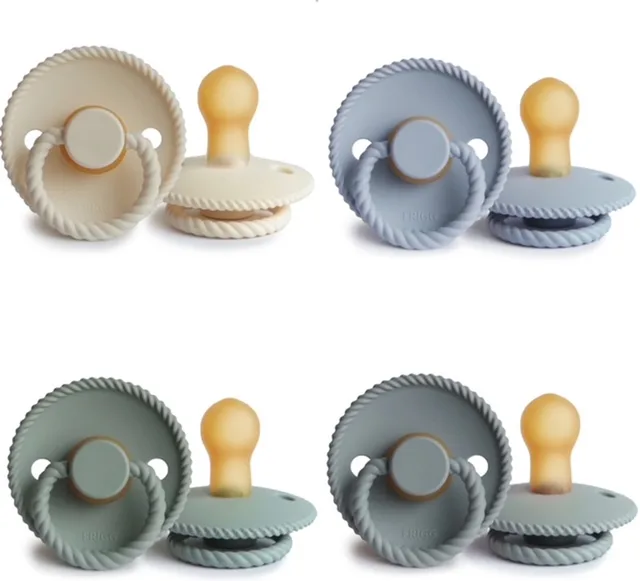
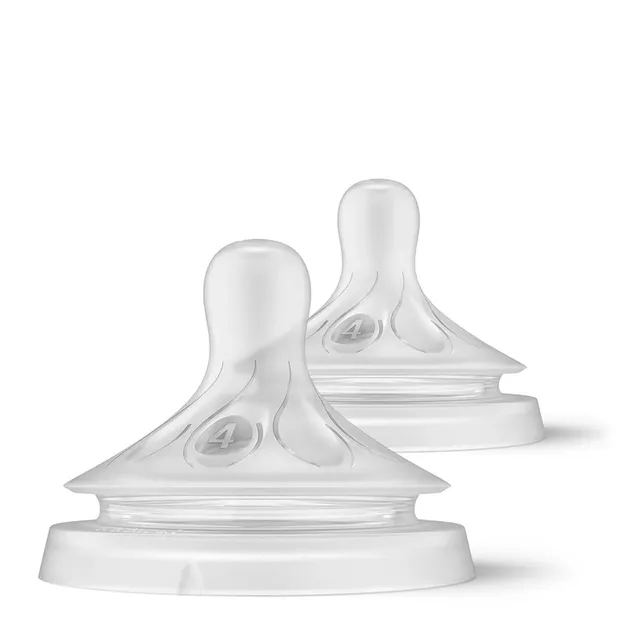
Popular products at today's lowest price. Compare every shop on the product page.
Short answer: Choose a dummy first by the size for your child's age; each brand has its own age groups. Then choose the teat shape (round or flat) and the material (silicone or natural rubber). Dummies fall under the European standard EN 1400.
The details below come from the manufacturers, the product data and the standard. LeBaby does not test anything. Always read the leaflet that comes with your dummy, and ask your health visitor or baby clinic for advice on using one.
Size follows age
Every brand sorts its dummies into age groups. The size is on the pack and in the product name.
- Philips Avent uses 0 to 6 months, 6 to 18 months and over 18 months, as with the Ultra Air 0 to 6 months, the Ultra Air 6 to 18 months and the Ultra Air 18+.
- MAM has 0 to 6 months, such as the Original Pure and the Supreme, and 16+ months, such as the Perfect 16+, among others.
- BIBS and Frigg use size 1 (0 to 6 months) and size 2 (6 to 18 months), and BIBS also has a size 3 for 18+ months.
The groups differ between brands. Compare within one brand, and choose the size the maker gives for your child's age.
Dummies by age
- Philips Avent
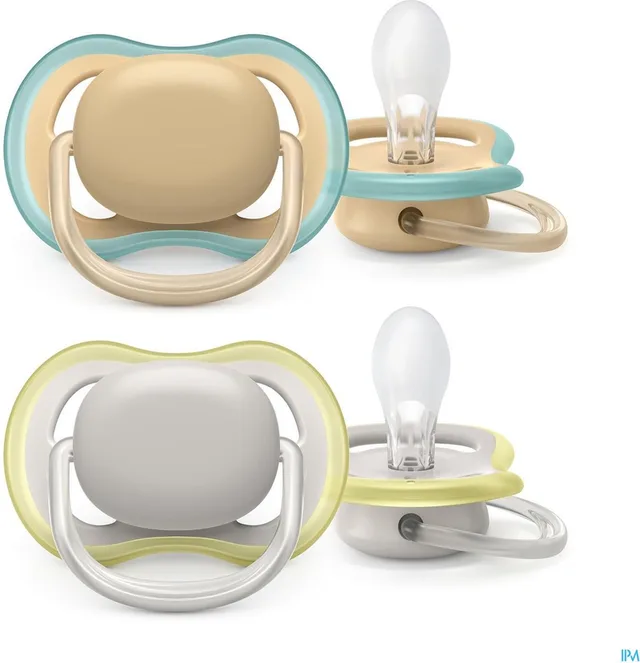
Ultra Air Fopspeen
0 tot 6 Maanden · 2 SpeentjesFrom €11.48 · at 2 shops
Lowest in 23 days
- Philips Avent
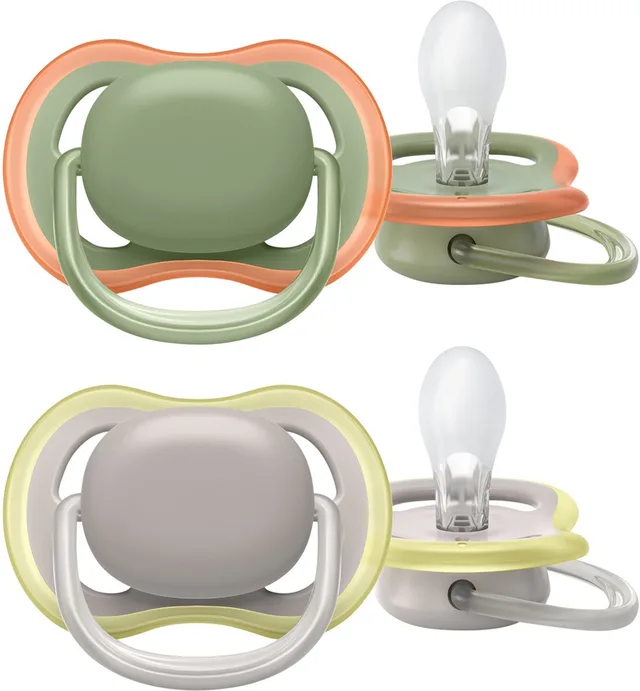
Ultra Air Fopspeen
6 tot 18 Maanden · 2 SpeentjesFrom €9.98 · at 2 shops
- Philips Avent
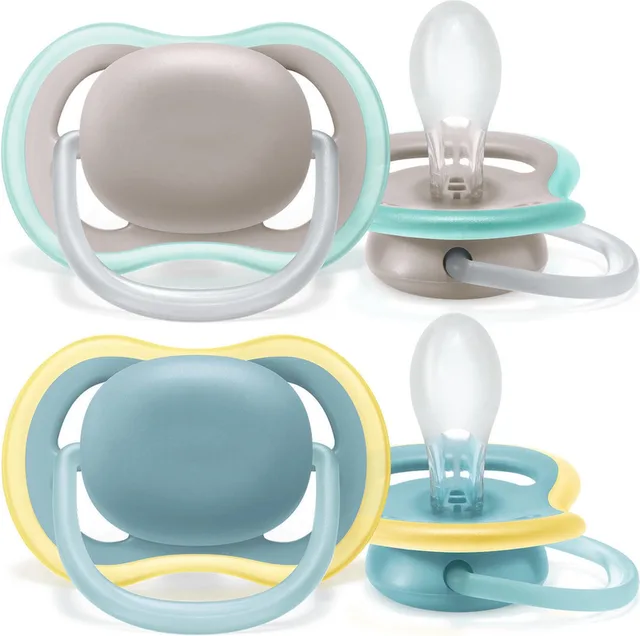
Ultra Air Fopspeen
Ouder dan 18 Maanden · 2 Speentjes€10.98 · at 1 shop
- MAM
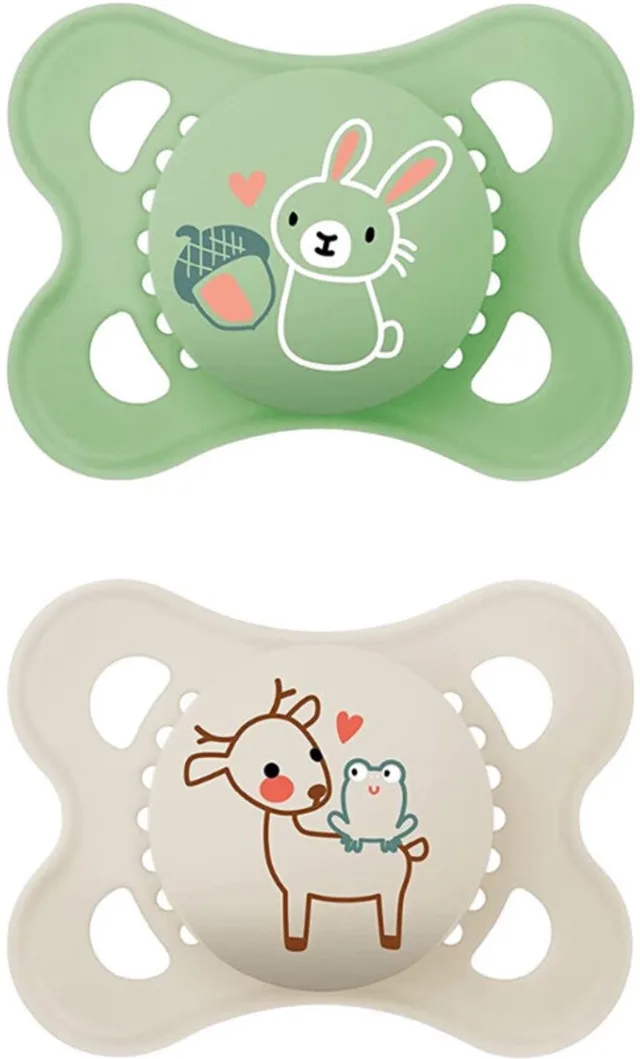
Fopspeen Original Pure Siliconen
0-6 maanden · Unisex€14.80 · at 1 shop
- MAM
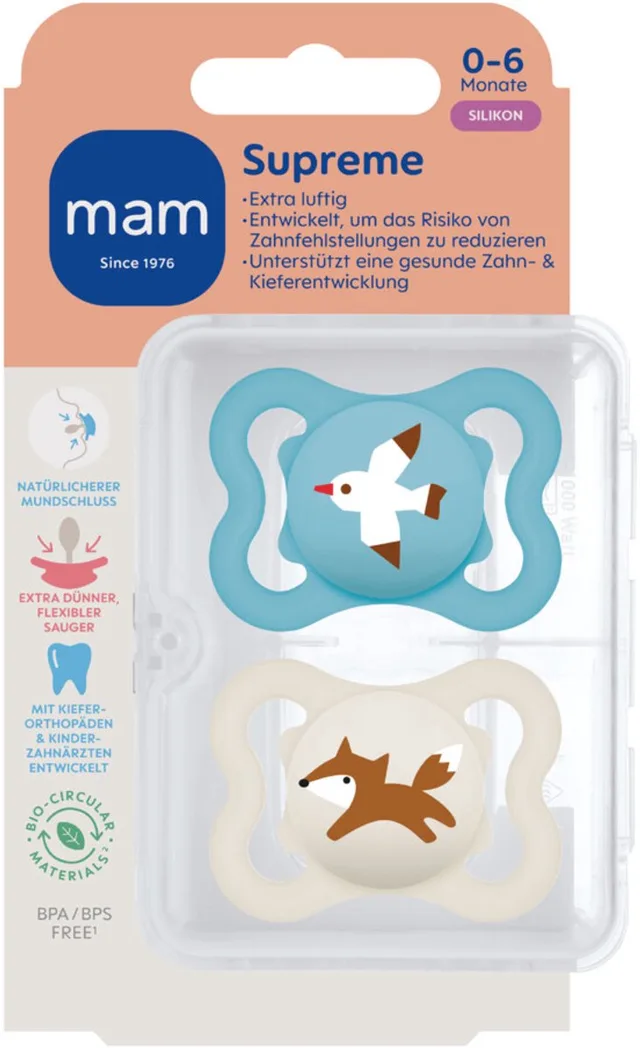
Supreme Silikon Fopspeen 0-6 mnd 2 stuks
From €14.69 · at 3 shops
- MAM
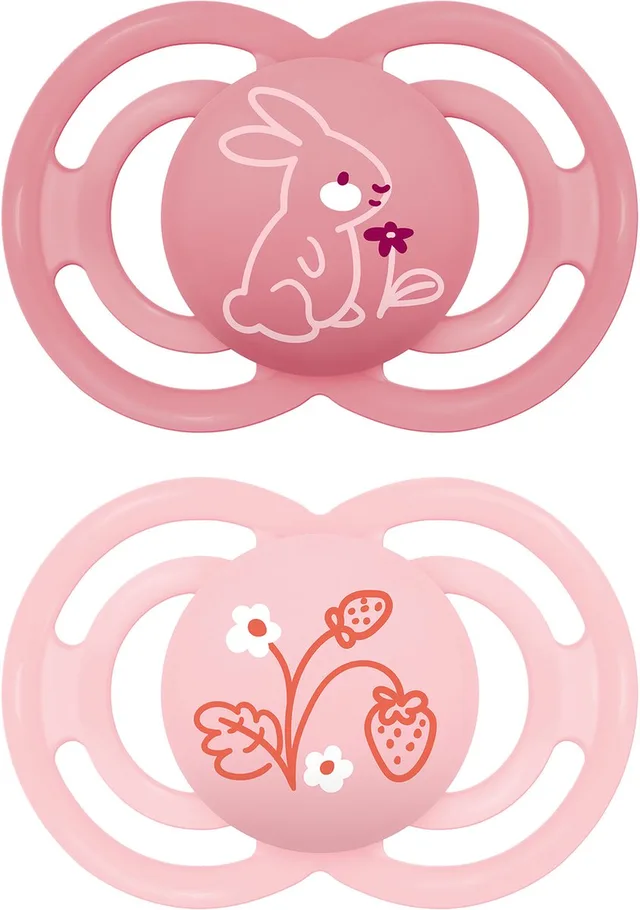
Perfect Fopspeen 16+ Maanden
Siliconen · Roze · 2 Stuks€13.48 · at 1 shop
Lowest in 23 days
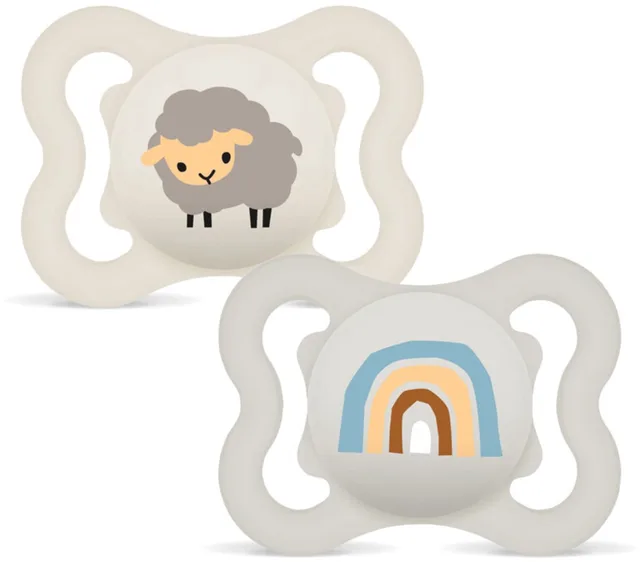
Round or flat: the teat shape
There are two shapes.
- Round (cherry). A round teat can sit in the mouth either way up. Examples are the Nûby round cherry-shaped dummy and the round BIBS Glow in the dark.
- Flat (orthodontic or dental). The teat is flattened on one side. Makers call this shape orthodontic, dental or anatomical, as with the NUK Signature, the BIBS Dental Anatomical, the Difrax Dental 18+ and the Dr. Brown's HappyPaci.
Which shape your child likes often only shows by trying.
Silicone or natural rubber
The teat itself is made of silicone or natural rubber (latex).
- Silicone. MAM puts the material in the name, as on the Original Pure Silicone and the Supreme Silicone.
- Natural rubber. Frigg, for example, sells the Rope size 1 and the Moon T2 in natural rubber. BIBS also has natural rubber dummies, such as the BIBS Colour. Natural rubber contains latex, which the pack states.
How to clean a dummy, and whether it can go in a steriliser, microwave or dishwasher, is in the leaflet.
Flat teats and natural rubber
- NUK
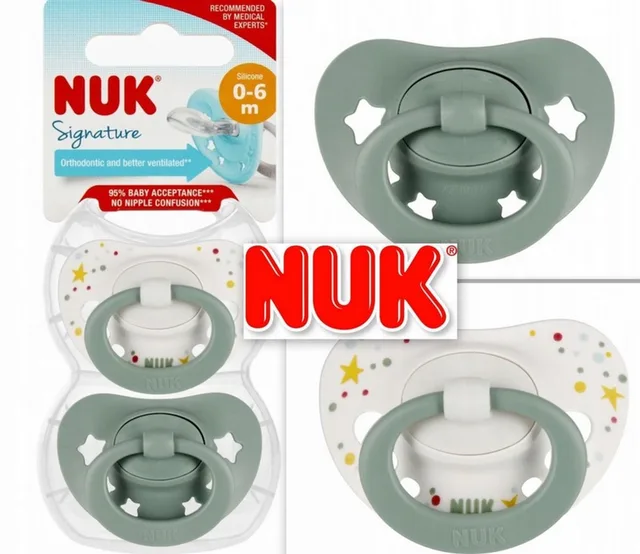
Signature Fopspeen 0–6 Maanden
Orthodontisch · 2-Pack 0-6 maanden€19.99 · at 1 shop
- BIBS
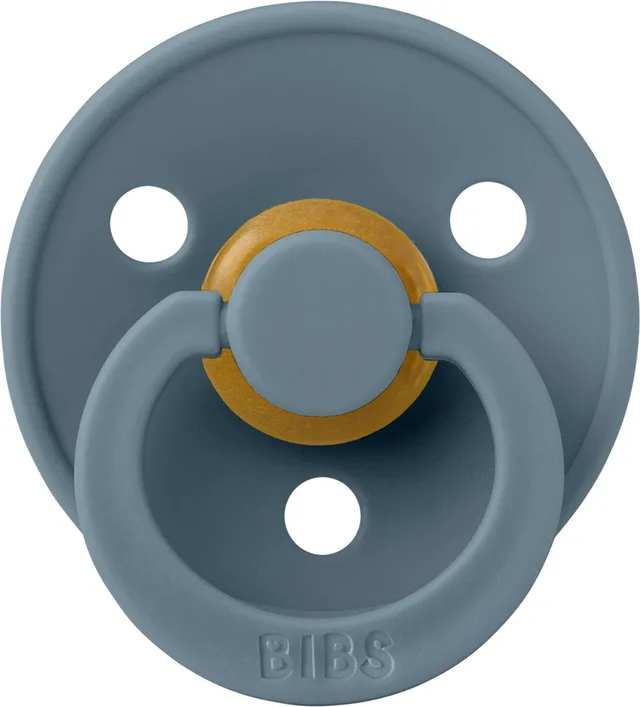
Dental fopspenen Anatomical 0-6 maanden
Maat 1 · orthodontischFrom €7.95 · at 1 shop
- Difrax
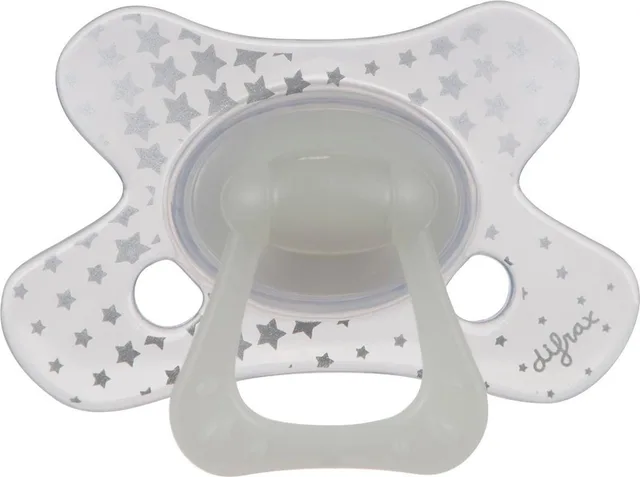
Fopspeen 18+ Maanden Dental
Orthodontische speen · 1 stukFrom €8.52 · at 4 shops
- Dr. Brown's
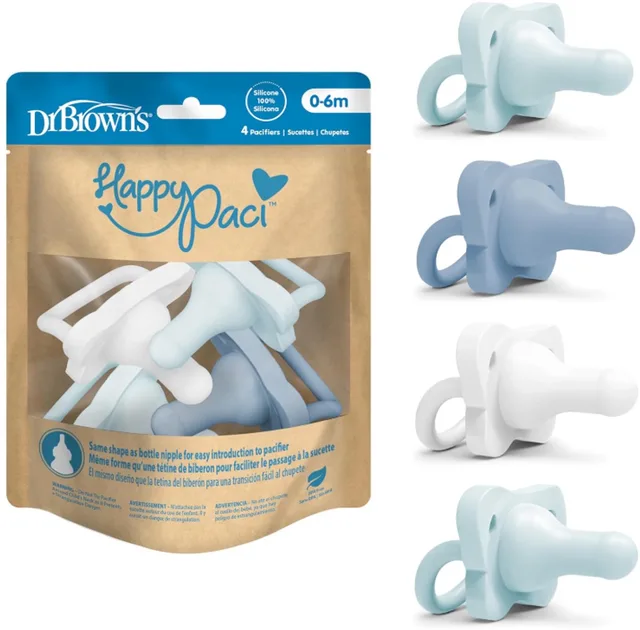
HappyPaci Fopspeen 0-6 Maanden
€29.99 · at 1 shop
- BIBS
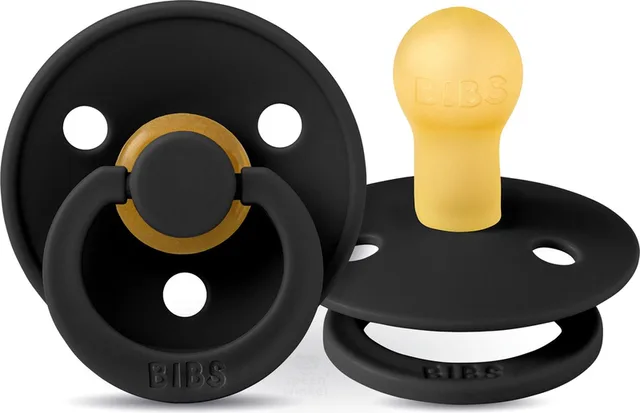
Colour Fopspeen Natuurrubber
0-6 maanden T1 Black€6.69 · at 1 shop
- Frigg
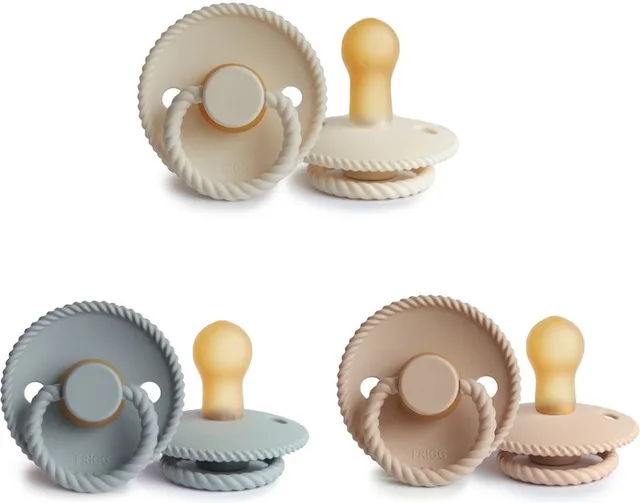
Fopspeen
Natuurrubber Rope · Kleur Croissant€17.49 · at 1 shop
The shield and extras
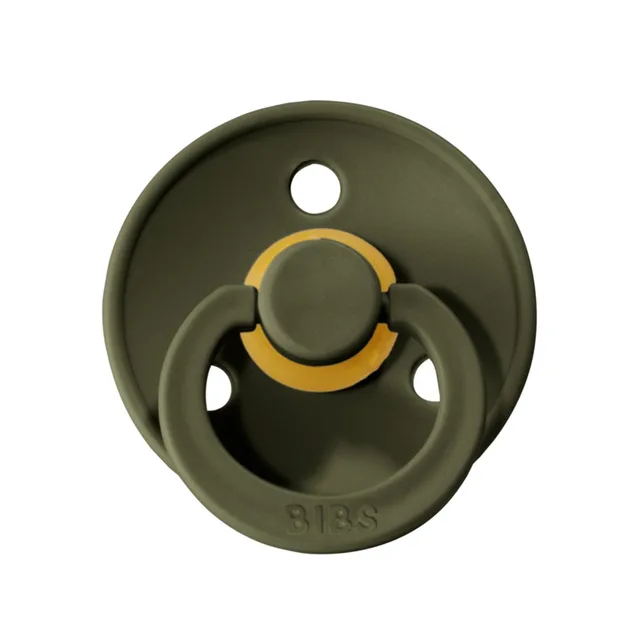
The shield is the plastic part in front of the mouth. EN 1400 sets requirements for, among other things, the shield's dimensions and its ventilation holes. Philips Avent points to the large air holes in the Ultra Air shield. Some dummies have a glow-in-the-dark button or shield, such as the Philips Avent Ultra Soft Nighttime, so they are easier to find at night. Some dummies come with a cover or case for keeping the teat clean.
Dummy clips and EN 12586
A dummy clip holds the dummy to your child's clothes. Dummy clips have their own European standard: EN 12586. Choose a clip whose maker says it meets that standard, and follow the leaflet. Examples are the BIBS Pacifier Clip Loop, which BIBS says fits every BIBS dummy, and the Suavinex Wonder dummy clip.
Checking and replacing
Packs of dummies that meet EN 1400 carry the maker's warnings. Philips Avent and MAM, for example, write that you inspect the dummy carefully before every use, especially once your child has teeth, pull it in all directions and throw it away at the first signs of damage or weakness. MAM also says to use only dummy clips tested to EN 12586. How often to replace a dummy is in the maker's leaflet.
Compare every dummy and clip under dummies.
Frequently asked questions
Which dummy size does my baby need?
The size the maker gives for your child's age. Philips Avent, for example, uses 0 to 6 months, 6 to 18 months and 18+, BIBS sizes 1, 2 and 3. The groups differ between brands.
What is the difference between an orthodontic and a round dummy?
An orthodontic (or dental) teat is flattened on one side. A round teat has a cherry shape and can go in either way up. Which one a child likes differs from child to child.
Is a natural rubber or a silicone dummy better?
It is a matter of choice. Natural rubber contains latex, which the pack states. The leaflet explains how to clean each and whether it can go in a steriliser.
Which standard should a dummy clip meet?
The European standard EN 12586. Dummies themselves fall under EN 1400. The maker states on the pack or in the product data which standard a product meets.
Keep looking
LeBaby doesn’t test products. This guide sets out what the standards and manufacturers say. Always follow the manual of your own product.
Products from this guide
Popular products with a current price at the shops. Compare the prices on the product page.
- BIBS
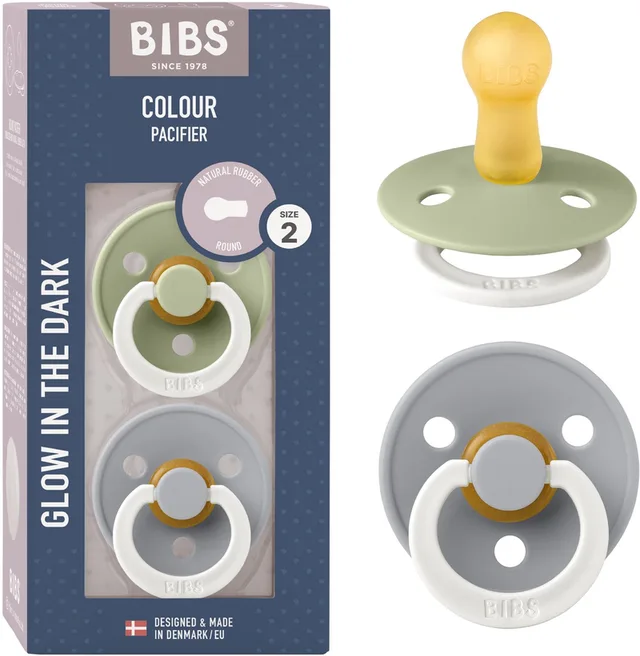
Colour Glow pacifier, 6-18 months, 2-pack, round, Sage/Cloud
From €12.99 · at 8 shops
- Philips Avent
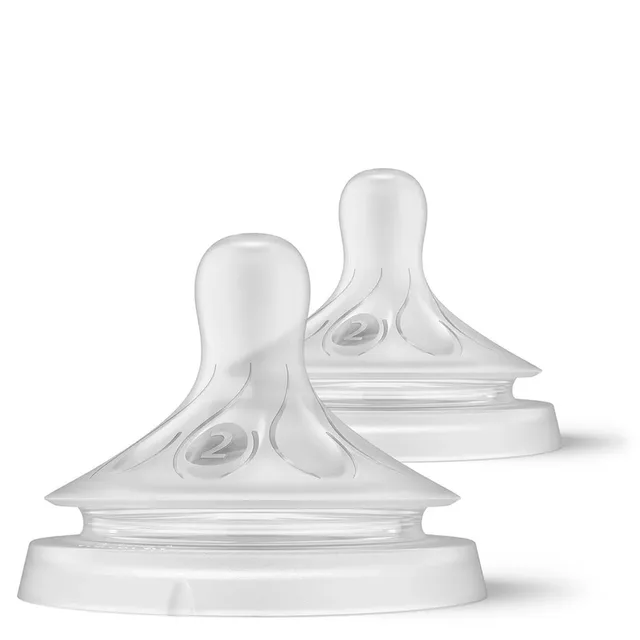
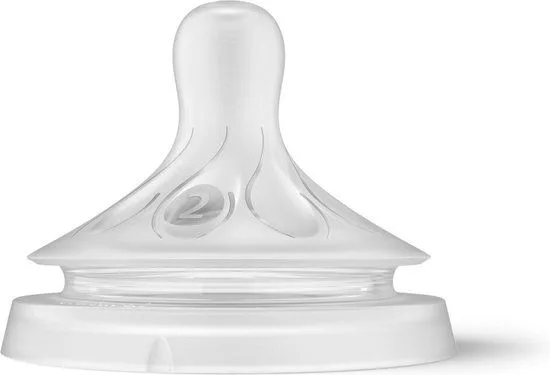
Natural Response teat T2 slow flow, 2 units
From €7.99 · at 8 shops
Lowest in 23 days
- BIBS
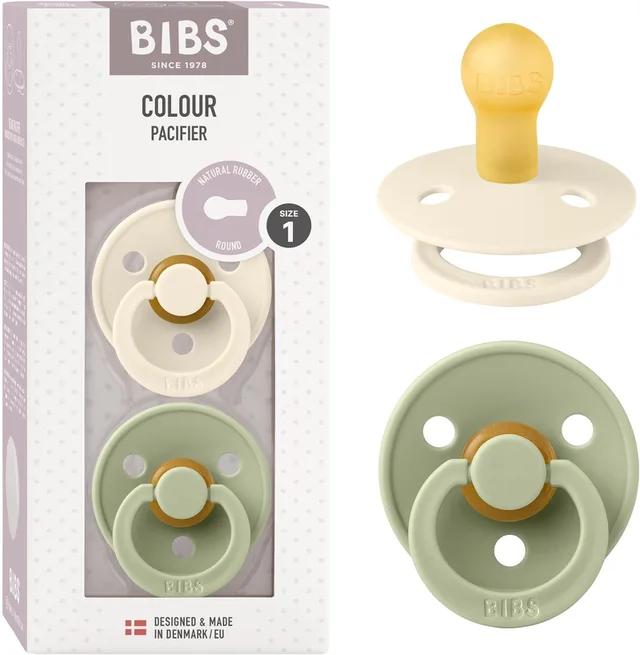
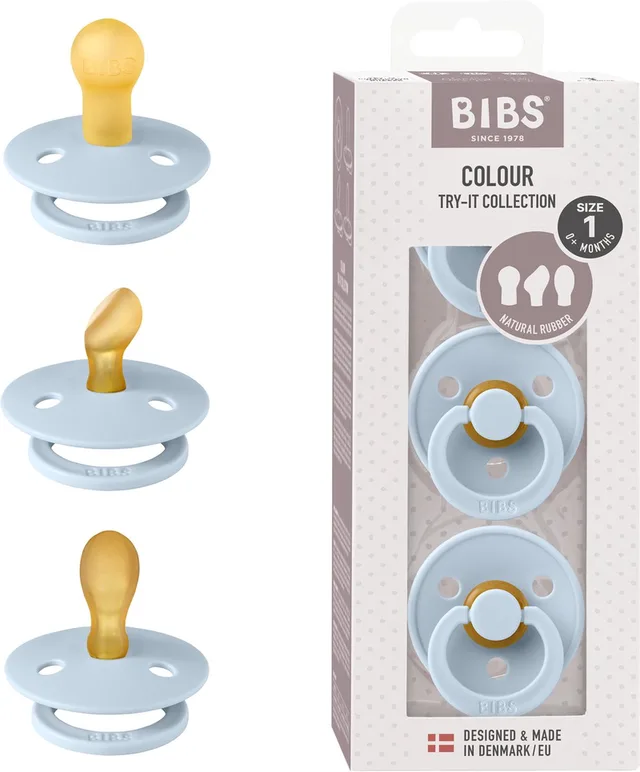
Colour Fopspeen
0-6 mnd · 2-pack · RondFrom €14.94 · at 7 shops
- BIBS
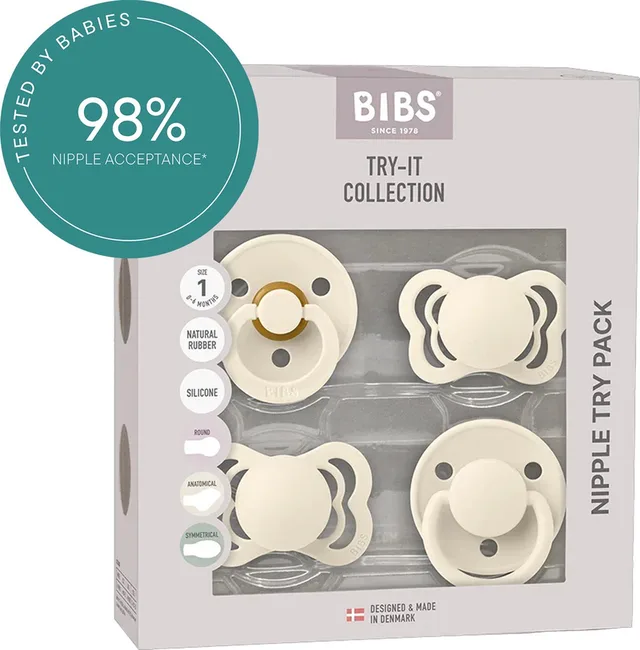
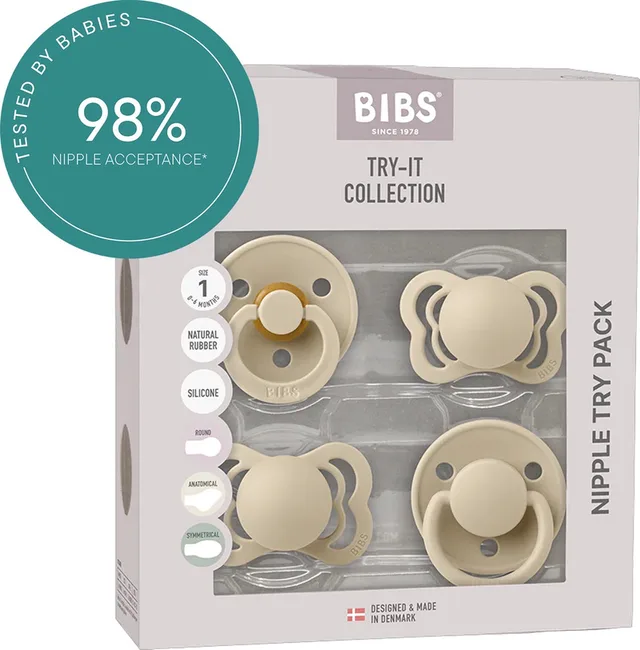
Try-it collection Fopspeen
0-6 mnd · 4-packFrom €19.99 · at 3 shops
- BIBS
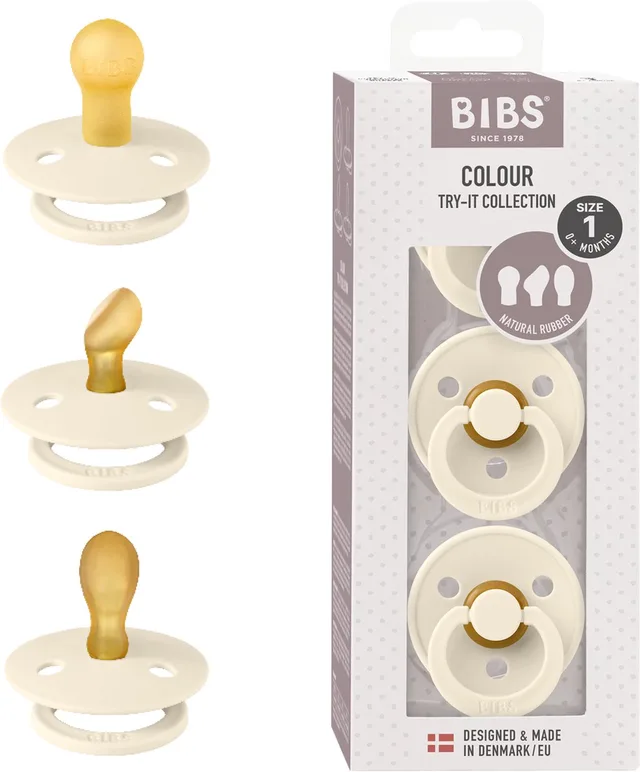
Try-it collection Fopspeen
0-6 mnd · 3-packFrom €16.85 · at 4 shops
More guides
- Black Friday 2026: which deals are real? Around Black Friday every shop says everything is cheaper. We put today's price next to the lowest price our shops asked in the 30 days before. Read the guide
- How to choose a pram Travel system, 3-in-1 or straight to a pushchair? What to look for in the type, the lying position, the fold and your own daily routes. Read the guide
- i-Size explained What the car-seat standard i-Size (UN R129) means, how the height classes work and why your baby rides rear-facing for longer. Read the guide
- Guide Crib, bedside crib or cot?
- Guide New baby gifts and baby's first Christmas: what to give
- Guide Which car seat for which height and age?
- Guide Choosing a baby monitor: audio, video or app?
- Guide Baby carrier or wrap: what to look for
- Guide Choosing a highchair: classic, adjustable or compact
- Guide Choosing baby bottles and teats
- Guide Tommee Tippee bottles: which range should you choose?
- Guide Choosing a breast pump: manual or electric?
- Guide Choosing a baby bouncer: types and safe use
- Guide Choosing a playpen or play yard: sizes and safety
- Guide Choosing a pushchair: from birth, compact or for travel
- Guide Choosing a baby sleeping bag: TOG, size and sleeves