Choosing a breast pump: manual or electric?
Manual, electric, wearable or hired: the kinds of breast pump side by side, and what to look for in the breast shield, the noise and the parts.

Popular picks from this guide
- Go to Bol.com
-
Philips Avent Natural Response baby bottle, 1 piece, 260ml, flow 3, SCY903/01Go to Vertbaudet
From €10.99 · at 7 shops
Lowest in 48 days
- Go to Newpharma
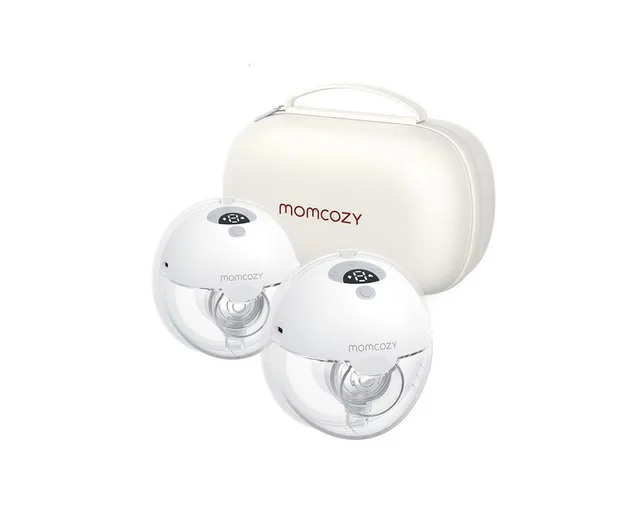
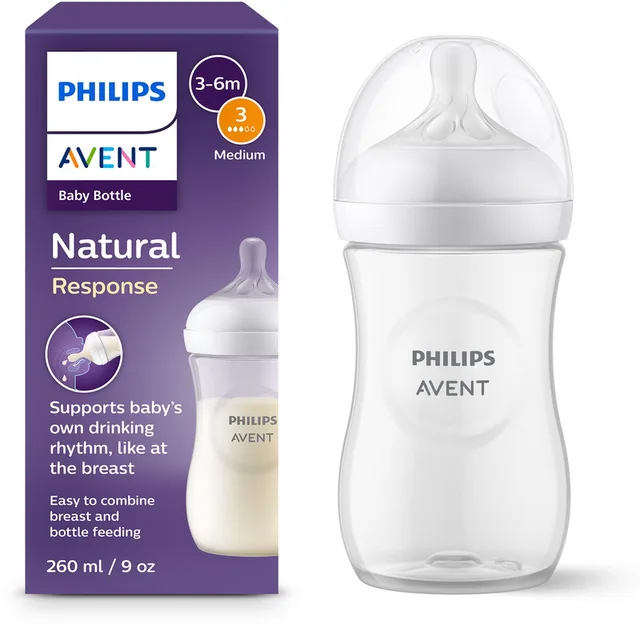
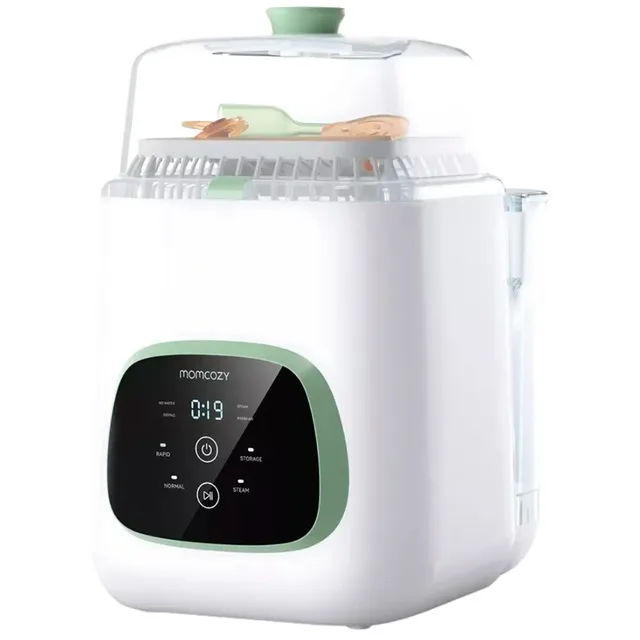
Popular products at today's lowest price. Compare every shop on the product page.
The manual pump
A manual pump works with a lever you squeeze yourself. It is small, quiet, needs no power and is usually the cheapest. Manufacturers mainly suggest it for occasional pumping. There are also silicone collectors you put on the other breast while feeding.
The electric pump
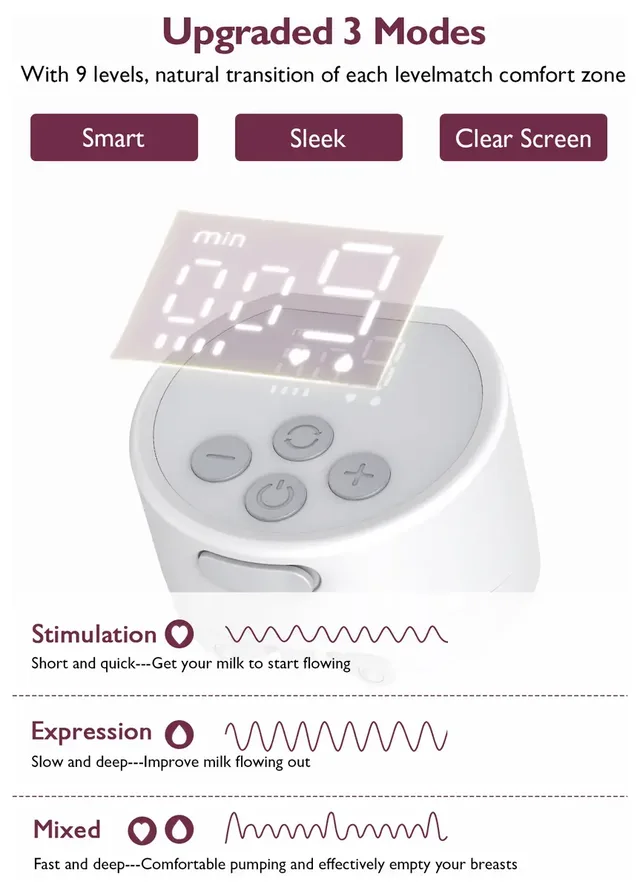
An electric pump uses a motor. You set the suction and the rhythm; many pumps start with a quick stimulation phase and then switch to a slower rhythm. There are single pumps for one breast and double ones for both at once.
Check whether the pump runs on a battery or only on mains power, how heavy it is and how much noise it makes, if the manufacturer states it in decibels.
The wearable pump
A wearable (or ‘hands-free’) pump sits entirely in your bra: the motor and the collection cup are in one shell. You can walk around with it. The cups are smaller than bottles, and the manufacturer states how much they hold.
Hiring a pump
A hospital-grade pump is a heavy-duty electric pump you hire by the week or month, for example from a home-care shop or your health fund’s loan service. Whether your health insurer or fund pays towards it varies; ask.
Breast shield size
The breast shield is the funnel that sits on your breast. Manufacturers make them in sizes in millimetres, for example 21, 24 or 27 mm, and often have a sizing chart. Check which size comes with the pump and whether other sizes are sold separately. A lactation consultant can help find the right size.
What else to compare
A closed system has a barrier between the milk and the tubing or motor, so no milk gets into the tubing. Manufacturers state it when their pump has one.
Look at the parts as well: valves and membranes wear and are replaced as the manual says. It helps if they are sold separately and easy to get. And check whether the pump’s bottles fit your other bottles, teats and steriliser.
Help with breastfeeding
How often and how long you pump is personal. For questions about breastfeeding, you can turn to the consultatiebureau, a lactation consultant (IBCLC), Kind en Gezin or ONE. LeBaby compares products and gives no medical advice.
Common questions
Is an electric breast pump better than a manual one?
They suit different use. A manual pump is small, quiet and cheap, handy for now and then. An electric pump, especially a double one, is faster if you pump often. Advice for your situation comes from the consultatiebureau or a lactation consultant.
Which breast shield size do I need?
Manufacturers give sizes in millimetres and often a sizing chart. Check which size comes with the pump and whether you can buy other sizes separately. A lactation consultant can help measure.
Can I hire a breast pump?
Yes, a hospital-grade pump can be hired, for example from a home-care shop or your health fund’s loan service. Whether your insurance pays towards it depends on your policy; ask.
Keep looking
LeBaby doesn’t test products. This guide sets out what the standards and manufacturers say. Always follow the manual of your own product.
Products from this guide
Popular products with a current price at the shops. Compare the prices on the product page.
- Momcozy
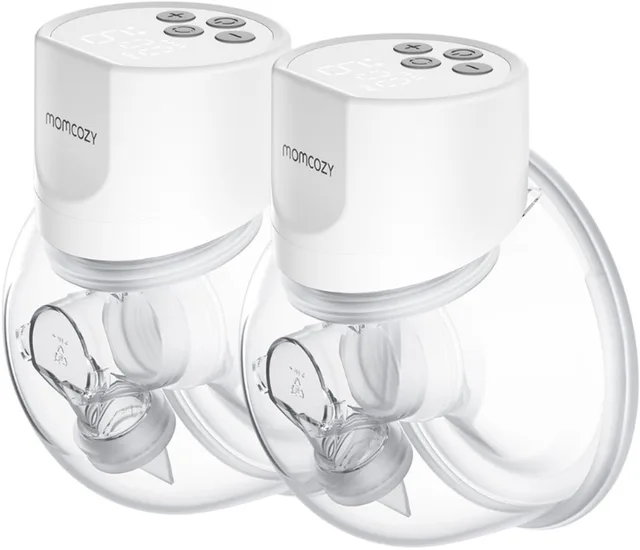
S12Pro Handsfree Borstkolf
2 stuks · Extra stil en compactFrom €62.98 · at 4 shops
Lowest in 47 days
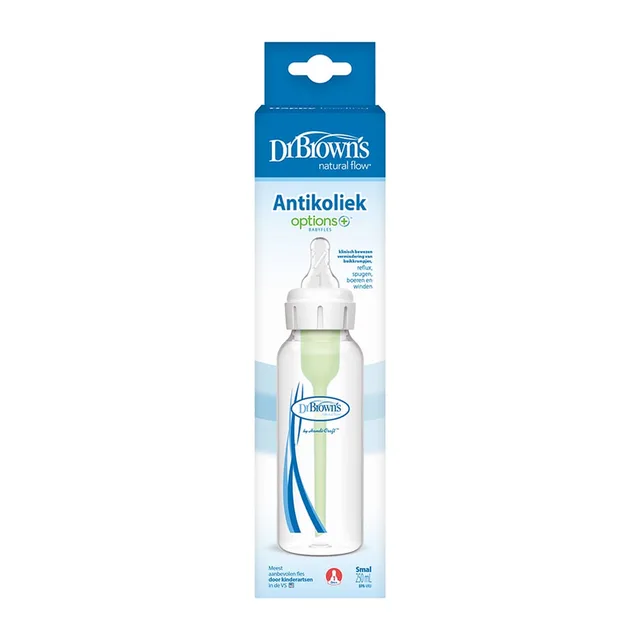
- Dr. Brown's

Options+ Anti-Colic Babyfles
Smalle halsfles · 250mlFrom €20.98 · at 2 shops
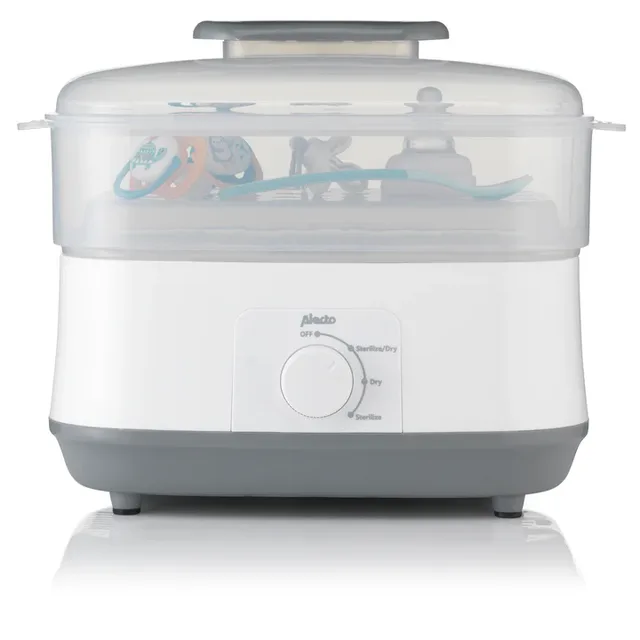
- Alecto
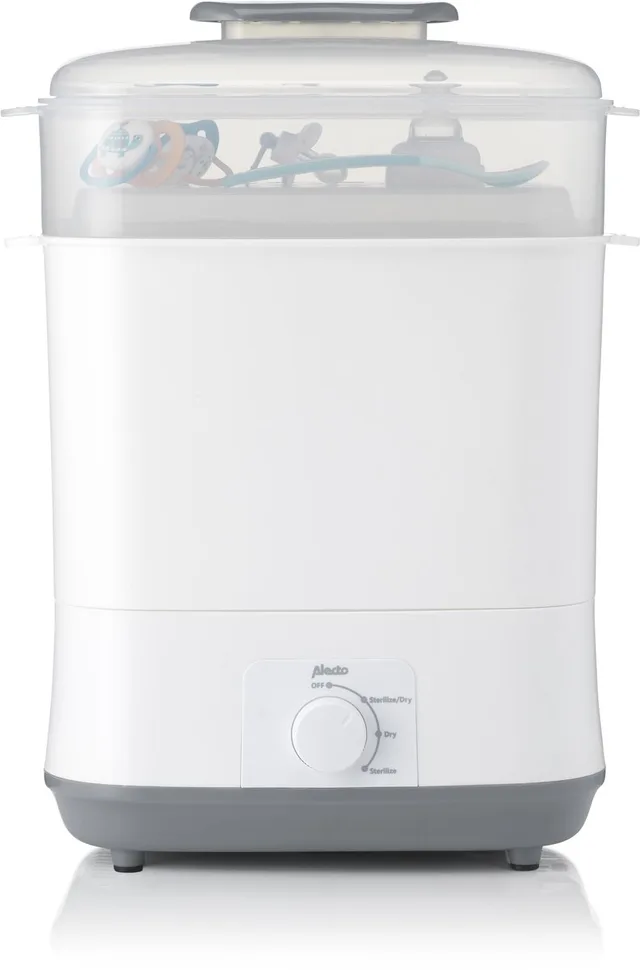
BF55 electric steam steriliser
with drying function, WhiteFrom €57.64 · at 3 shops
Lowest in 48 days
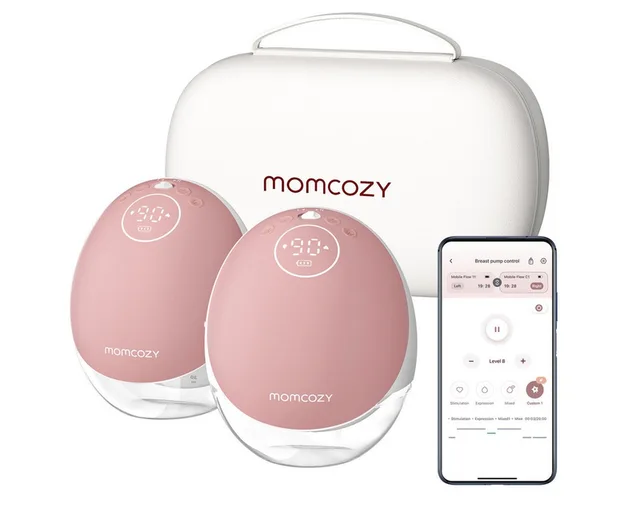
- Momcozy
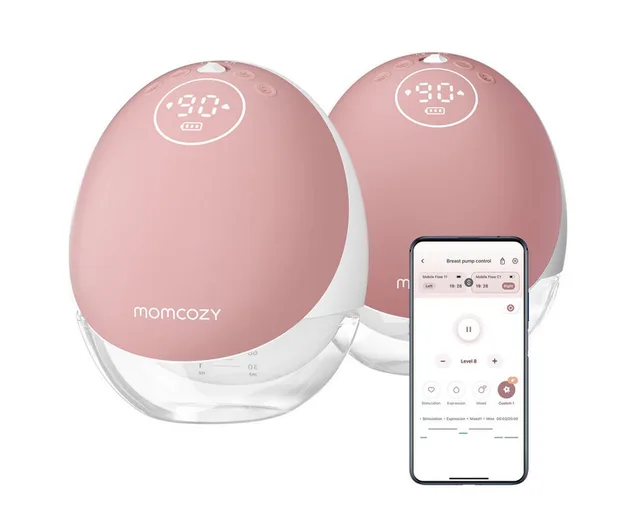
Elektrische Milchpumpe M9 Mobile Breast Pump, 2-tlg.
From €249 · at 2 shops
Lowest in 39 days
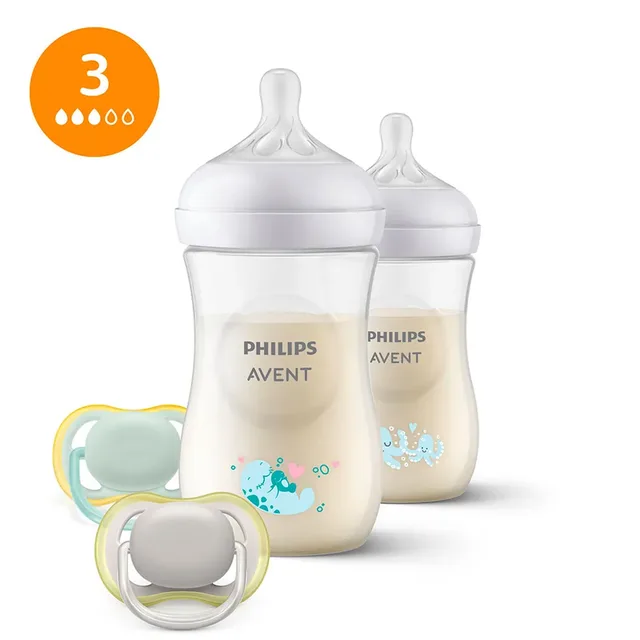
- Philips Avent
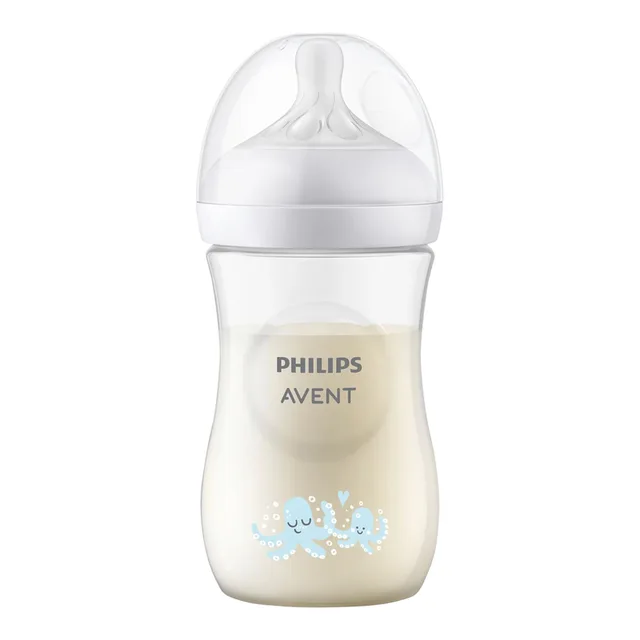
4-tlg. Babyflaschen-Set, Natural Response, ab Geburt
From €23.98 · at 4 shops
Lowest in 45 days
More guides
- Black Friday 2026: which deals are real? Around Black Friday every shop says everything is cheaper. We put today's price next to the lowest price our shops asked in the 30 days before. Read the guide
- How to choose a pram Travel system, 3-in-1 or straight to a pushchair? What to look for in the type, the lying position, the fold and your own daily routes. Read the guide
- i-Size explained What the car-seat standard i-Size (UN R129) means, how the height classes work and why your baby rides rear-facing for longer. Read the guide



- Guide Crib, bedside crib or cot?
- Guide New baby gifts and baby's first Christmas: what to give
- Guide Which car seat for which height and age?
- Guide Choosing a baby monitor: audio, video or app?
- Guide Baby carrier or wrap: what to look for
- Guide Choosing a highchair: classic, adjustable or compact
- Guide Choosing baby bottles and teats
- Guide Tommee Tippee bottles: which range should you choose?
- Guide Choosing a baby bouncer: types and safe use
- Guide Choosing a playpen or play yard: sizes and safety
- Guide Choosing a pushchair: from birth, compact or for travel
- Guide Choosing a baby sleeping bag: TOG, size and sleeves
- Guide Choosing a dummy: size, shape and material